The Metals in Your Phone: 30 Elements in Your Pocket
Take a smartphone apart element by element: indium in the touchscreen, lithium and cobalt in the battery, gold and tantalum in the circuits, neodymium magnets.
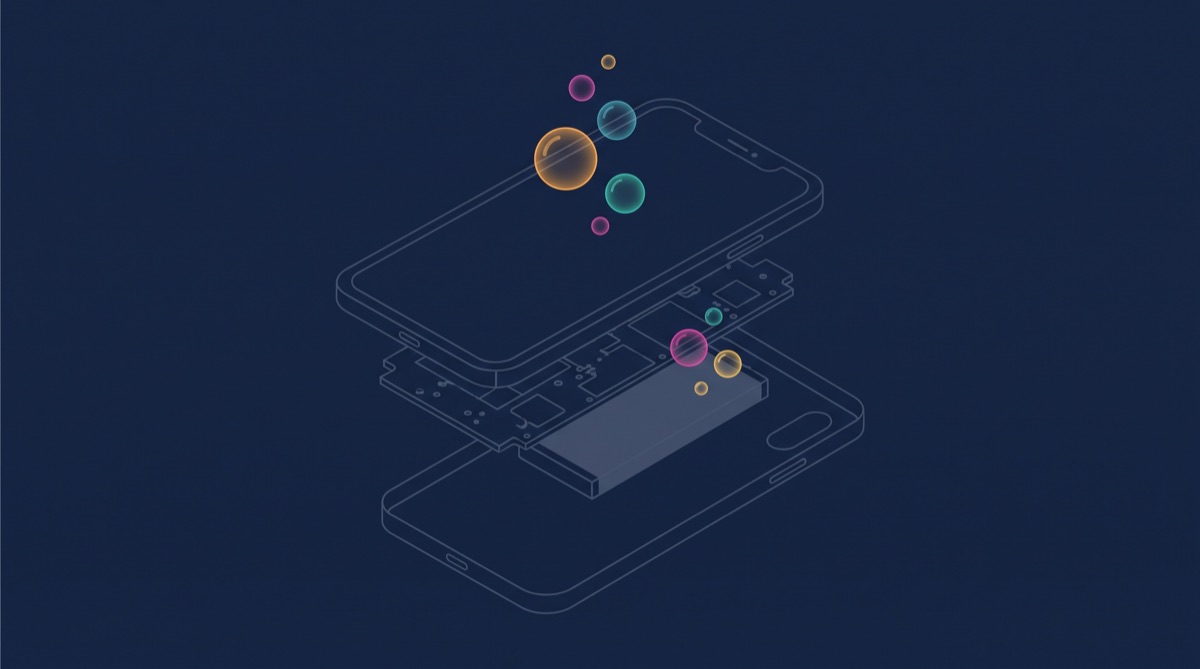
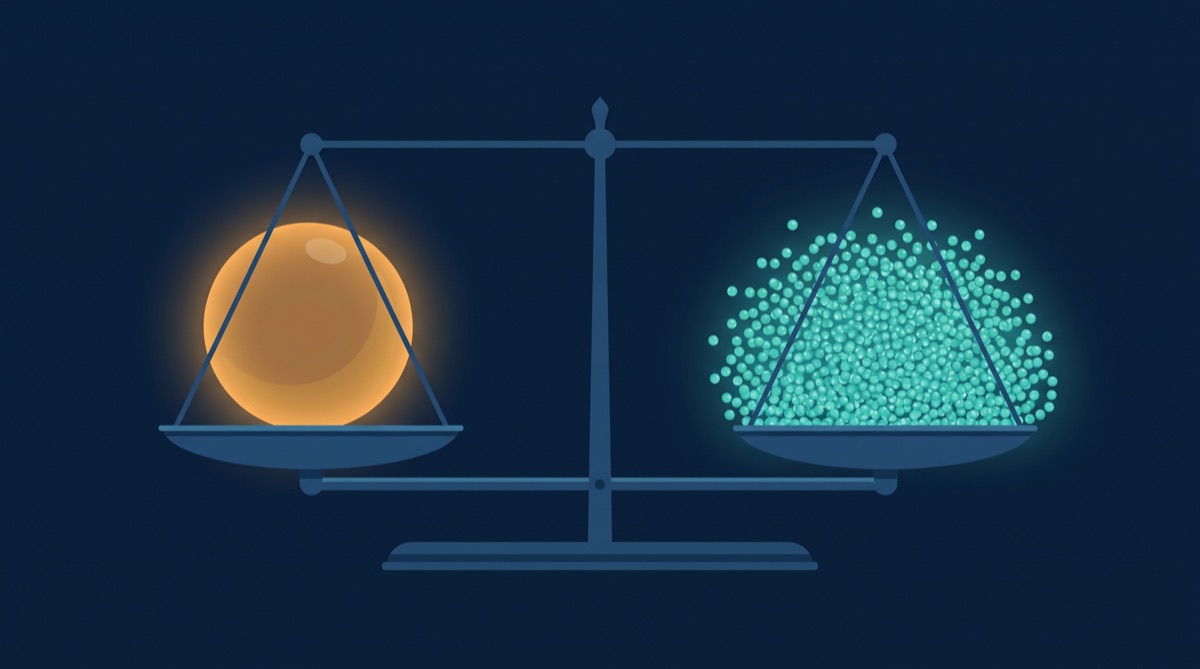
A smartphone weighs less than a bar of soap, yet it contains a larger slice of the periodic table than almost any other object you own. Depending on how you count, somewhere around thirty elements go into a typical handset, and some estimates run much higher once every trace additive is included.
This article takes a phone apart layer by layer, from the glass you tap to the magnets that make it buzz, and explains why each element earned its place. It ends with the harder question of where these metals come from and what happens to them when the phone is thrown away.
The screen
The touchscreen works because of a material you can see straight through but that also conducts electricity. That is indium tin oxide, a thin transparent film that senses the tiny electrical change when your finger approaches. Indium is a soft, rare metal obtained almost entirely as a by-product of zinc mining, and touchscreens are its biggest use by far.
The glass itself is not ordinary window glass. It is an aluminosilicate glass, rich in aluminium and silicon, that has been toughened by soaking it in a hot potassium salt bath. Larger potassium ions swap places with smaller sodium ions in the surface, squeezing the outer layer into compression so that scratches struggle to grow into cracks.
Behind an LCD screen sits a backlight made of gallium nitride LEDs, the same technology that lights modern homes. OLED screens do without a backlight; their pixels are made from carbon-based compounds that glow when current flows, with small amounts of metals such as iridium tuning the colours.
The battery
The battery is a lithium-ion cell, and lithium earns its place by being the lightest metal and one of the most eager to give up an electron. Its ions shuttle between two electrodes as the phone charges and discharges. One electrode is graphite, a form of carbon, coated onto a thin copper foil. The other is a metal oxide coated onto aluminium foil. In most phones that oxide is lithium cobalt oxide, chosen because it packs a lot of energy into a small space. Other batteries use a blend of nickel, manganese and cobalt, trading a little energy density for lower cost and less cobalt.
The liquid between the electrodes contains a lithium salt that also includes phosphorus and fluorine. Altogether a battery the size of a chocolate bar draws on seven or eight elements.
The electronics
The processor and memory chips are carved from single crystals of silicon, with minute traces of other elements added to control how it conducts. Inside the chips, billions of transistors are wired together with copper, and the newest designs use hafnium oxide as an insulating layer only a few atoms thick. Copper also forms the tracks on the circuit board and the wire inside the charging cable.
Wherever two parts must make a reliable electrical connection, gold appears as a whisper-thin plating. Gold never tarnishes, so the contact stays clean for years. Silver, the best electrical conductor of all, is used in conductive pastes and some fine wiring. Components are soldered to the board with an alloy that is mostly tin, with a little silver and copper, since lead-based solder has been phased out of consumer electronics.
Look at the circuit board and you will find hundreds of tiny capacitors, components that store and smooth electrical charge. The most compact of these are made from tantalum. A tantalum grain grows an extremely thin, tough oxide skin, which allows a capacitor to be far smaller than one made from other materials. That is exactly what a phone designer needs.
The radio side of the phone, which talks to mobile networks, Wi-Fi and Bluetooth, relies on chips made from gallium arsenide, a compound that handles high-frequency signals better than plain silicon. Some radio chips use a blend of silicon and germanium for the same reason.
Sound, vibration and the casing
Speakers, microphones and vibration
Every speaker, microphone and vibration motor in a phone contains a magnet, and the strongest permanent magnets known are made from an alloy of neodymium, iron and boron. Their strength is what allows a speaker to be a few millimetres thick. A small amount of dysprosium is added so the magnet keeps working when the phone gets warm, and praseodymium often stands in for part of the neodymium. All three are rare earth metals, a family that sits in the row pulled out below the main table.
The casing and frame
The body of the phone is where the familiar structural metals appear. Aluminium alloys are light, strong and easy to machine, and they anodise to a hard, coloured surface. Magnesium alloys are lighter still and are used for internal frames. Stainless steel, an alloy of iron, chromium and nickel, gives a heavier, more premium feel. A few high-end phones use titanium, prized for being strong, light and resistant to corrosion.
Fifteen elements at a glance
| Element | Where in the phone | Why it is used |
|---|---|---|
| Lithium | Battery | Lightest metal; its ions carry the charge |
| Cobalt | Battery electrode | Holds the electrode structure together over many cycles |
| Nickel and manganese | Battery electrode | Partner cobalt in lower-cost electrode blends |
| Carbon (graphite) | Battery electrode | Layered structure stores lithium ions |
| Copper | Circuit board, chips, battery foil, cables | Excellent conductor, easy to shape |
| Aluminium | Casing, battery foil, glass | Light, strong, corrosion resistant |
| Silicon | Processor, memory, glass | Controllable semiconductor |
| Gold | Connectors and contacts | Never tarnishes, so contacts stay clean |
| Silver | Conductive pastes, solder | Best electrical conductor |
| Tin | Solder, touchscreen film | Low melting point; transparent oxide with indium |
| Tantalum | Capacitors | Thin oxide layer allows very small capacitors |
| Indium | Touchscreen | Transparent, conductive oxide |
| Gallium | LEDs, radio chips | Efficient light emission; fast signal handling |
| Neodymium and dysprosium | Speaker, microphone, vibration motor | Strongest permanent magnets, stable when warm |
| Potassium | Screen glass | Toughens the surface by ion exchange |
Where it all comes from, and where it goes
Gathering thirty elements into one small object means drawing on mines across the world, and that raises difficult questions.
Cobalt is the most discussed. Well over half of the world's supply comes from the Democratic Republic of the Congo, where large industrial mines operate alongside small-scale digging by hand. Conditions in some of the small-scale mines, including the involvement of children, have been documented by journalists and campaign groups, and manufacturers have responded with supply chain audits and by designing batteries that use less cobalt. Tantalum has a similar history, as one of the so-called conflict minerals whose mining in central Africa has at times funded armed groups, and companies are now expected to trace where theirs comes from.
Rare earth metals such as neodymium raise a different concern. They are not especially rare in the Earth's crust, but separating them from one another is difficult and polluting, and for many years a large majority of the world's refining capacity has been concentrated in a single country, China. Governments elsewhere are now investing in alternative sources and processing plants to reduce that dependence.
Then there is the end of the phone's life. The world produces tens of millions of tonnes of electronic waste every year, and only a fraction of it is formally collected and recycled. Old phones in drawers are a lost resource, because a tonne of discarded handsets contains far more gold than a tonne of typical gold ore. Recovering metals from old electronics is sometimes called urban mining. It is well established for gold, silver, copper and palladium, which are valuable enough to justify the effort, but much harder for elements such as indium, tantalum and the rare earths, which are present in tiny amounts spread through many components. Designing phones that can be taken apart, and returning old ones to collection schemes rather than bins, are the two changes that would make the biggest difference.
Next time you unlock your phone, remember that you are holding lithium from salt flats, cobalt from central Africa, rare earths from far-flung mines and a fleck of gold, all working together. You can find every one of them among the bubbles on the interactive table.
Key takeaways
- A smartphone contains around thirty elements, from structural metals to rare earths present in tiny quantities.
- The touchscreen depends on indium tin oxide, a film that is both transparent and conductive, on glass toughened with potassium.
- Lithium-ion batteries combine lithium, cobalt, nickel, manganese, graphite carbon, copper and aluminium.
- Silicon, copper, gold, silver, tin, tantalum and gallium make the electronics work; neodymium magnets make it sound and buzz.
- Cobalt and tantalum sourcing, and the concentration of rare earth refining, are genuine supply concerns that manufacturers are working to address.
- Only a fraction of electronic waste is recycled, yet old phones are a richer source of gold than most ore, which is why urban mining matters.