Learn the periodic table
Plain-English guides written to go with the bubbles. Start with how to read the table, then work through groups, trends and history, or jump straight to the revision and classroom guides.
How to Read the Periodic Table (A Plain-English Guide)
How to read the periodic table in minutes: what each number and symbol means, what the rows and columns tell you, and how to spot patterns.
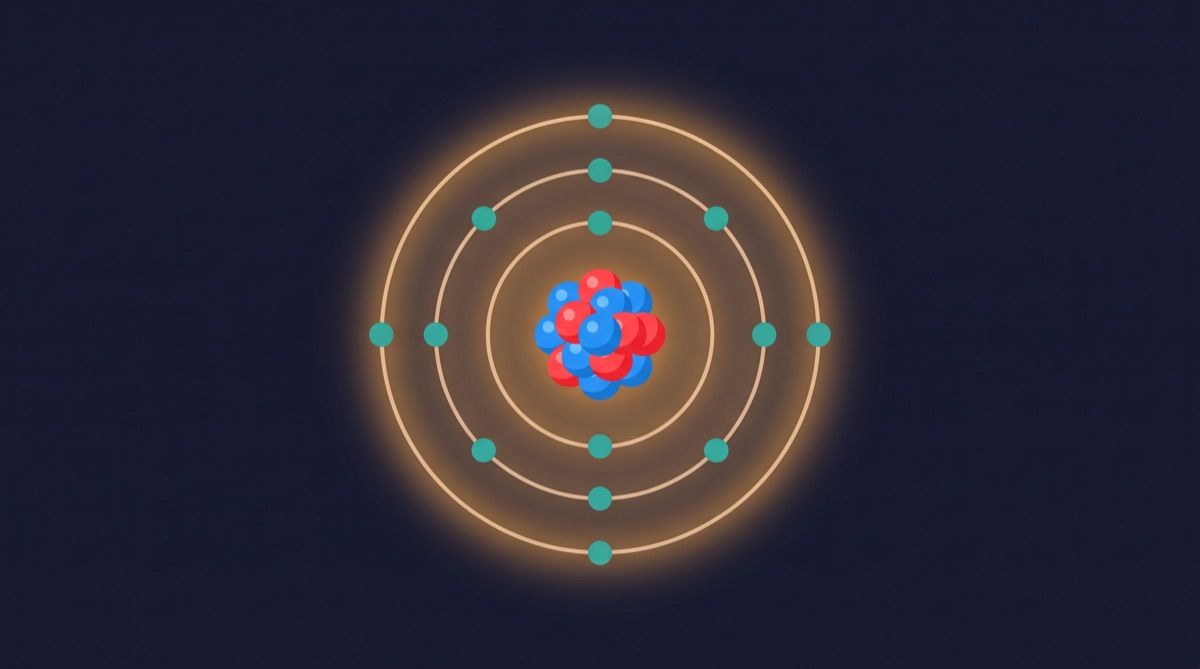
What Is an Atom? Protons, Neutrons, Electrons and Shells for Beginners
A plain-English guide to atoms: protons, neutrons and electrons, the nucleus, electron shells, isotopes, ions and why the Bohr model is still worth learning.
Groups and Periods Explained: Why Columns Matter More Than Rows
Periods are the rows and groups are the columns. See what each tells you about electrons and reactivity, with all 18 groups in one table.
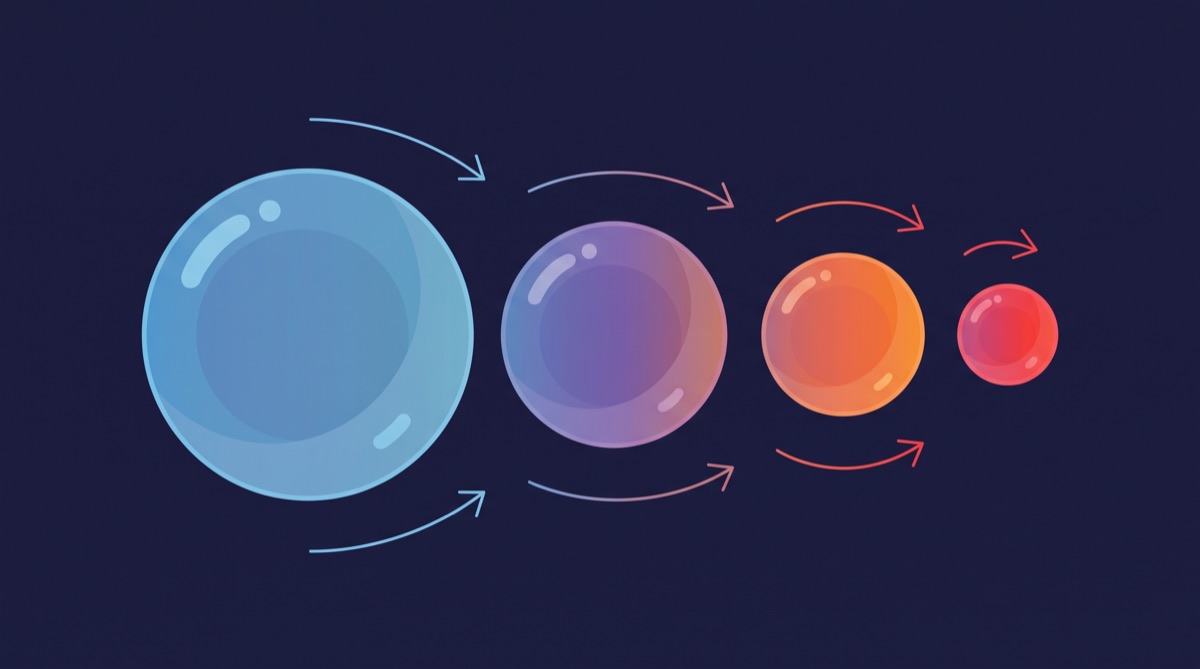
Periodic Trends: Atomic Radius, Ionisation Energy and Electronegativity Made Simple
How atomic radius, ionisation energy and electronegativity change across a period and down a group, the reasons, the exceptions and a table of real values.
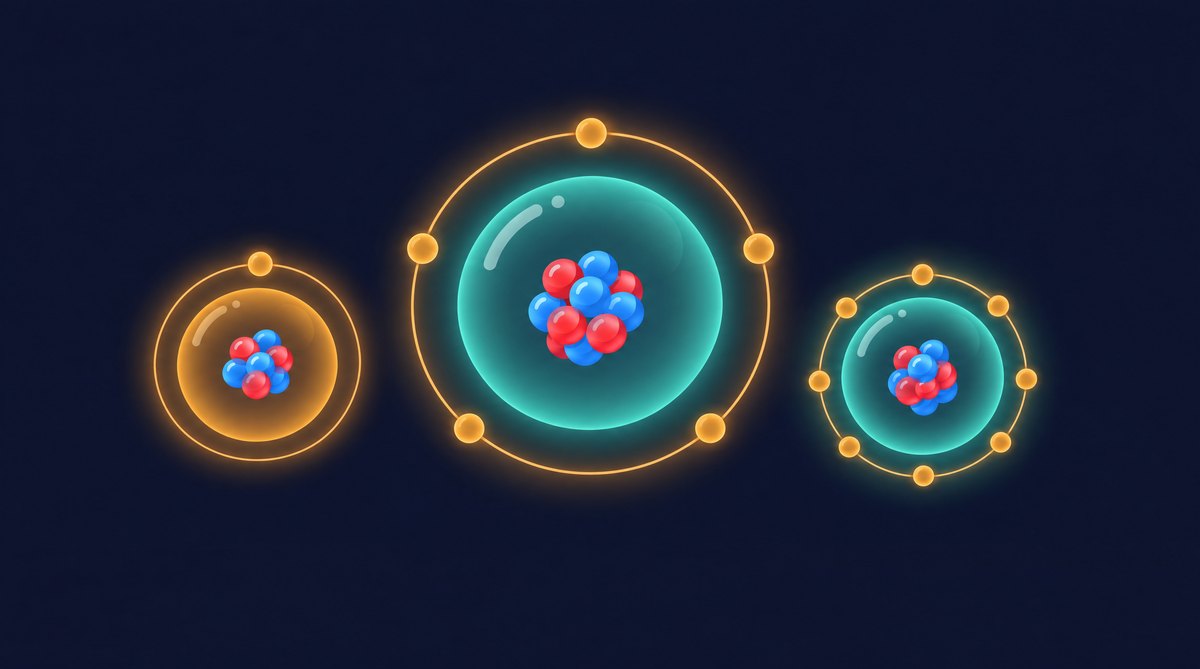
How to Find Valence Electrons and Ion Charges From the Periodic Table
Find outer electrons from the group number, predict ions such as magnesium 2+ and chlorine 1-, then write formulae. Worked across a row, with a self-test.
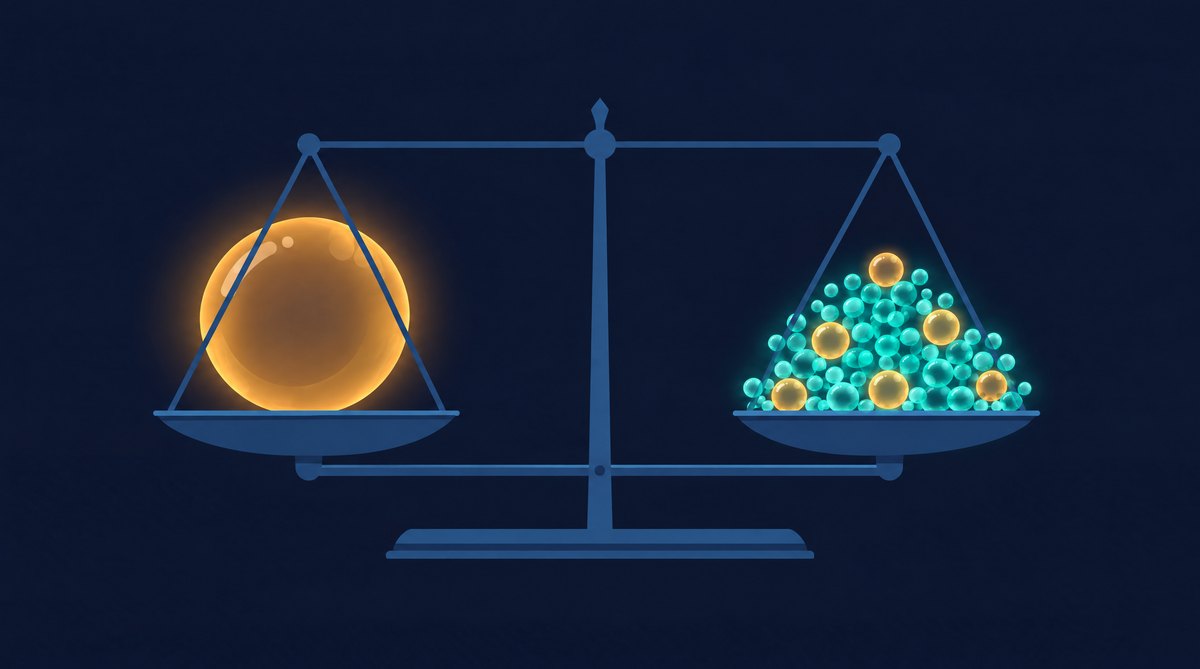
Why Isn't Atomic Mass a Whole Number? Isotopes and Relative Atomic Mass Explained
Why isn't atomic mass a whole number? Most elements are a mix of isotopes. Learn relative atomic mass with worked steps for chlorine, copper and boron.
Metals, Non-metals and Metalloids: The Three Big Families
Where metals, non-metals and metalloids sit on the periodic table, how their properties and bonding differ, a comparison table, and why silicon matters.
Why the Noble Gases Don't React (and When They Do)
Full outer shells explained simply, how argon was found hiding in air, what each noble gas is used for, the 1962 xenon surprise and the oganesson puzzle.
Lanthanides and Actinides: The Two Rows at the Bottom of the Table
Lanthanides and actinides are the two f-block rows below the main table. See why they sit apart, what they are used for and why group 3 is disputed.
The History of the Periodic Table: From Triads to Element 118
How the periodic table was built, from Döbereiner's triads and Newlands' octaves to Mendeleev's gaps, Moseley's atomic number and the naming of element 118.
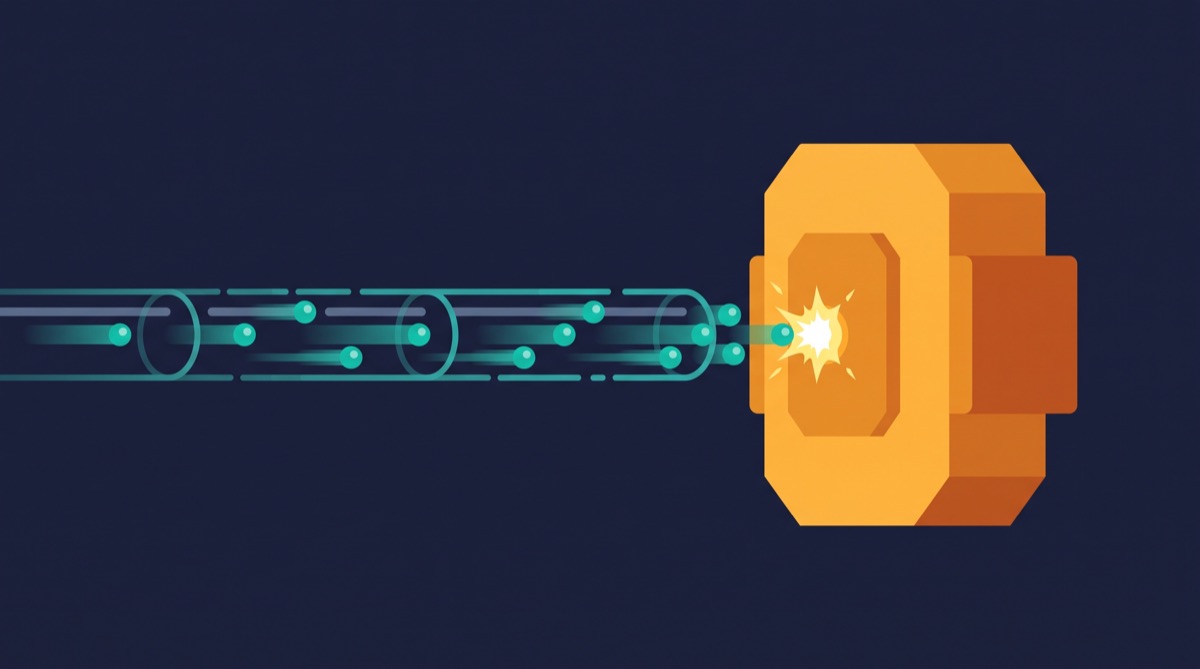
How New Elements Are Made: Inside the Hunt for Element 119
How scientists create superheavy elements by smashing nuclei together, detect a handful of atoms from their decay, name them, and hunt for elements 119 and 120.
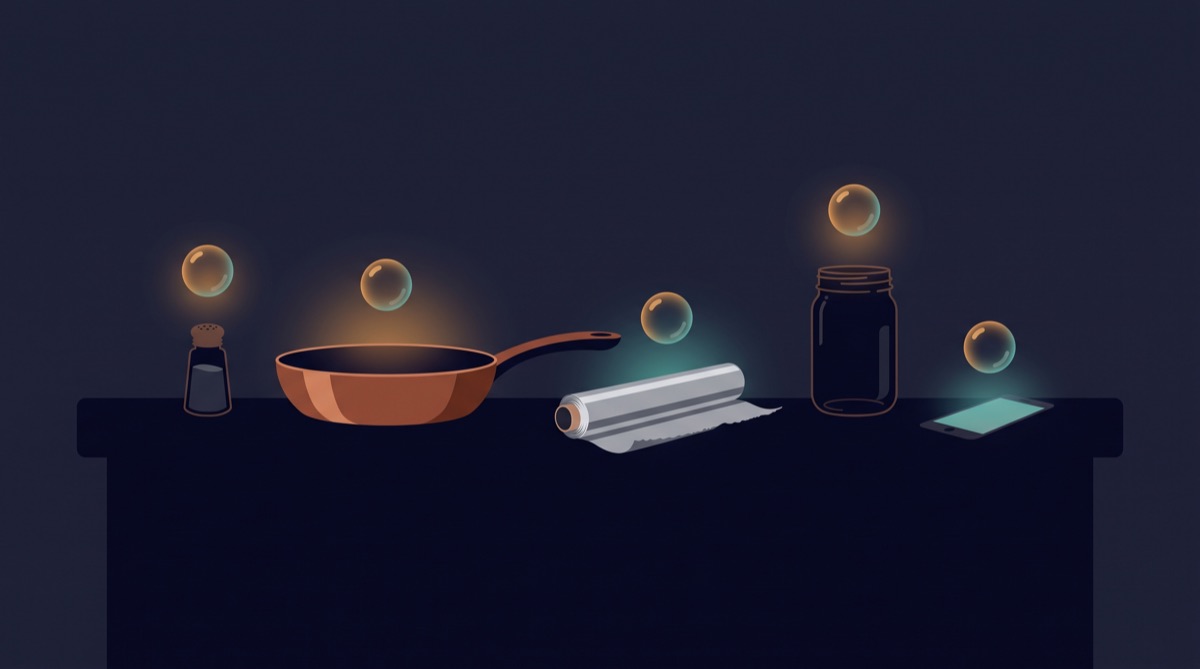
The Elements in Your Kitchen: Everyday Chemistry You Can Touch
Tour a home room by room and meet the elements behind salt, foil, wiring, stainless steel, toothpaste, phone batteries, light bulbs, glass, balloons and bones.
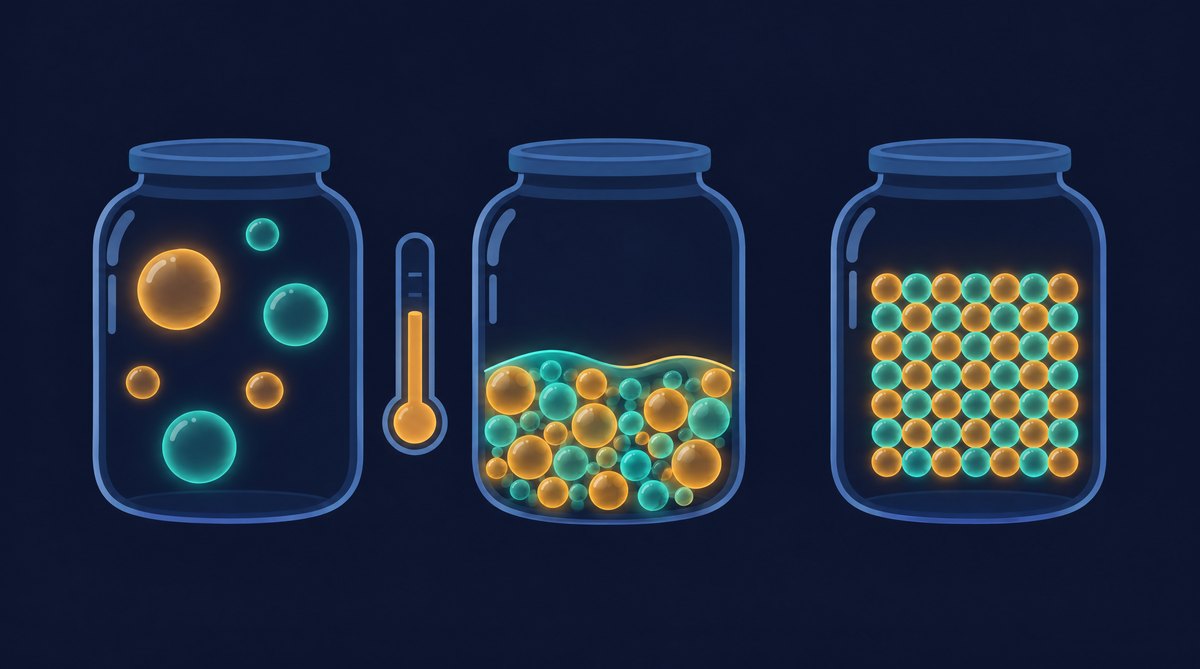
Which Elements Are Gases, Liquids or Solids at Room Temperature?
Which elements are gases, liquids or solids at room temperature? Only 2 are liquids and 11 are gases. See the full list and the near misses.
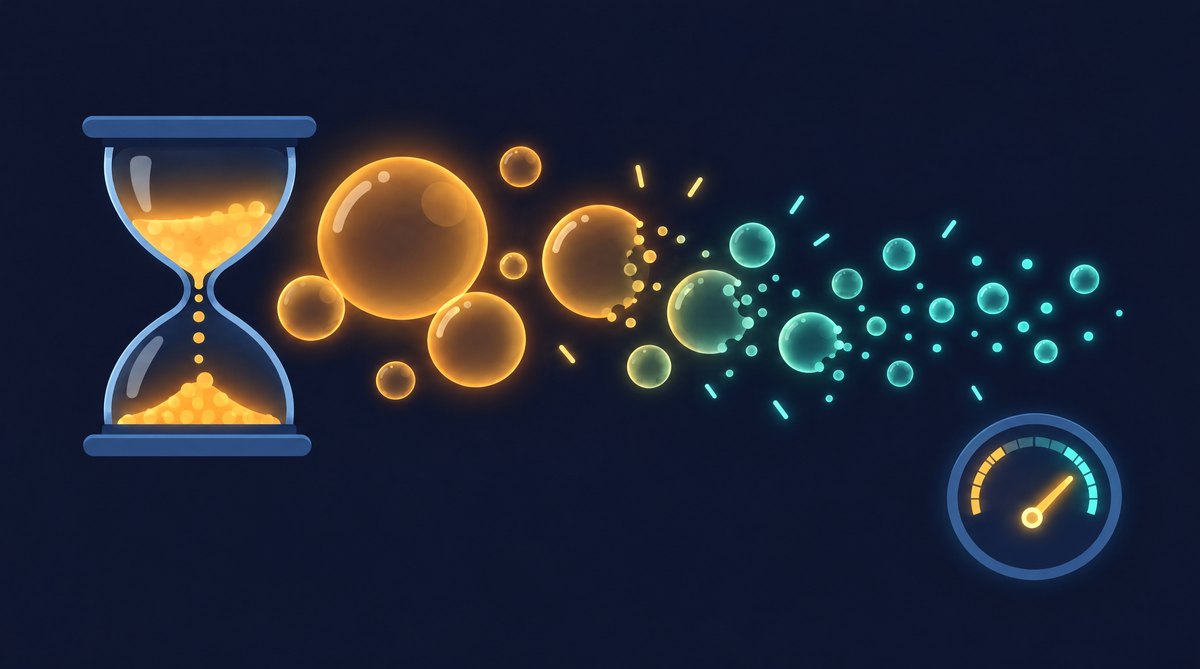
Which Elements Are Radioactive? A Plain-English Guide to Unstable Atoms
38 of the 118 elements have no stable form: technetium, promethium and everything from bismuth up. See why atoms decay and what half-life really means.
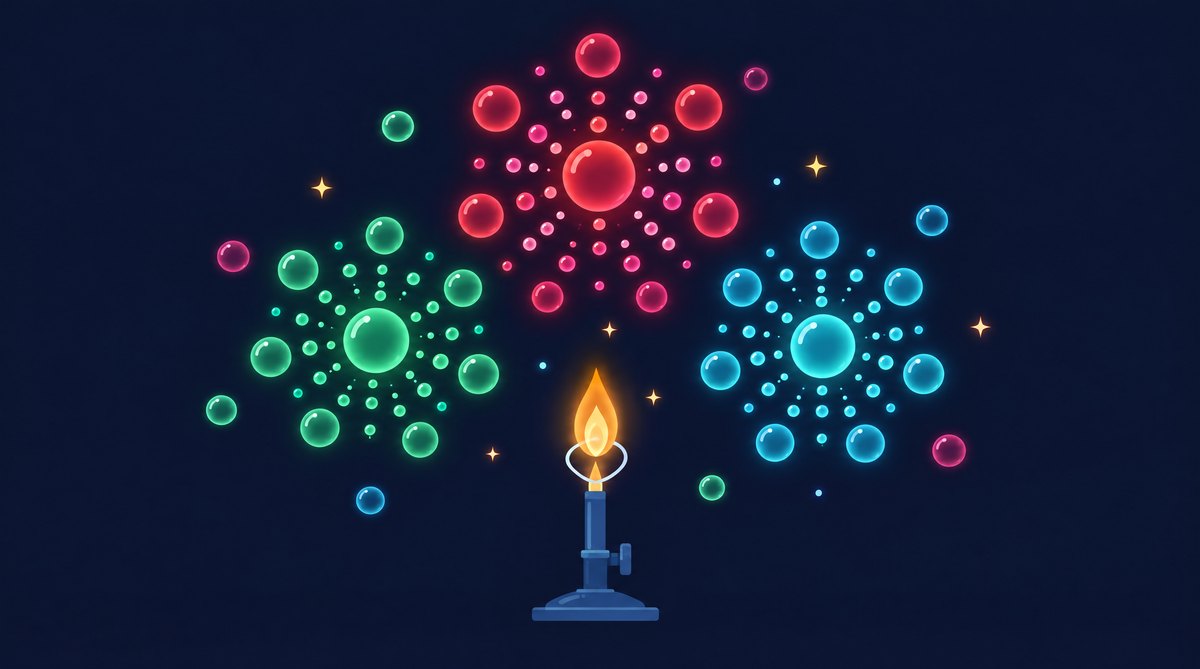
Flame Test Colours and Firework Colours: Which Element Makes Which Colour?
Which element makes which flame and firework colour? A seven-metal table, the plain-English science, how a lab flame test works and a five-question quiz.

Element Records: Densest, Lightest, Highest Melting Point, Most Reactive and Rarest
Which element is densest, lightest, melts at the highest temperature or is rarest? A quick-answer table, plus how to tell a real record from a prediction.
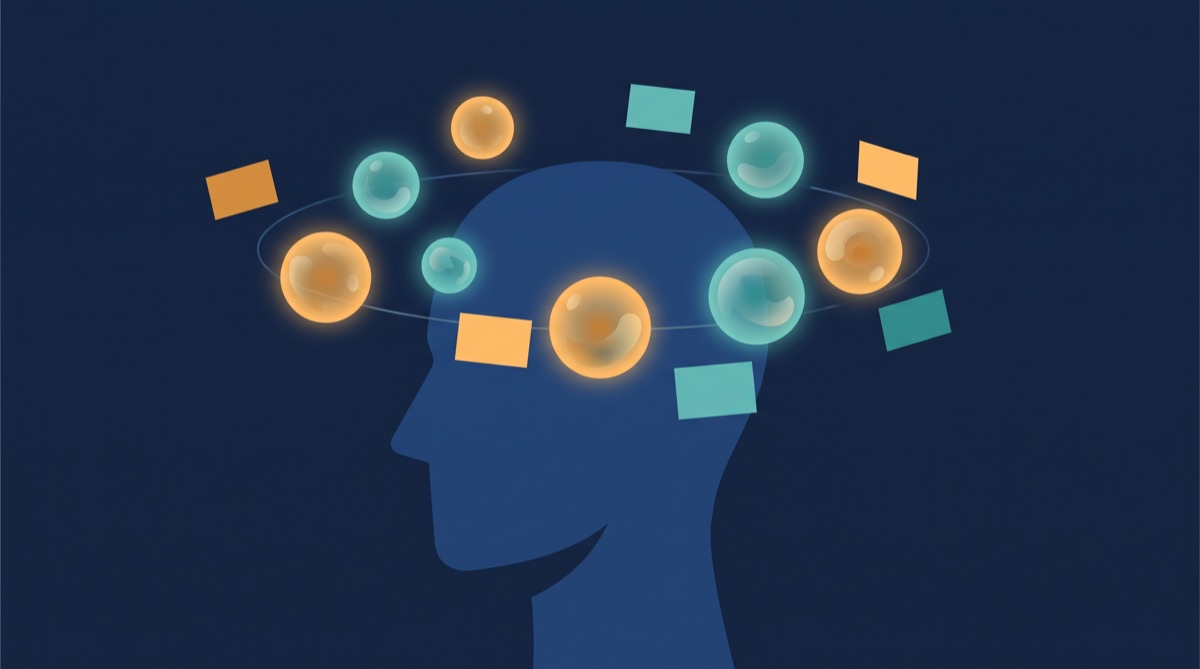
How to Memorise the Periodic Table (First 20 Elements and Beyond)
Learn the first 20 elements for GCSE in a week: original mnemonics, chunking by period, spaced repetition, the ten symbol traps and a day-by-day plan.
Periodic Table Lesson Plans for Ages 11 to 16 (KS3, GCSE, Middle and High School)
Three complete 60-minute periodic table lessons for ages 11 to 16 with objectives, starters, activities, plenaries, differentiation, misconceptions and homework.

The Periodic Table in Medicine: Elements That Diagnose, Treat and Heal
Which elements are used in medicine? Iodine for the thyroid, lithium, platinum chemotherapy, technetium scans, MRI gadolinium and titanium implants.
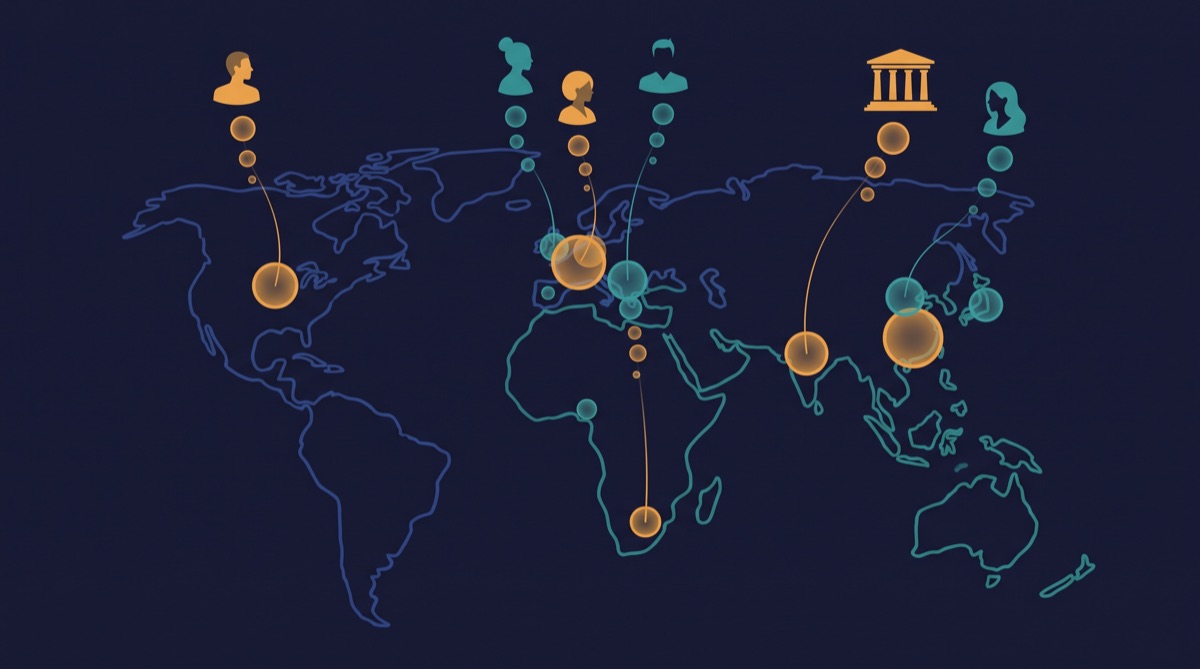
Elements Named After Places, People and Myths
Which elements are named after countries, places and people? From germanium and francium to Curie and Seaborg, plus one Swedish village behind four.

The Metals in Your Phone: 30 Elements in Your Pocket
Take a smartphone apart element by element: indium in the touchscreen, lithium and cobalt in the battery, gold and tantalum in the circuits, neodymium magnets.
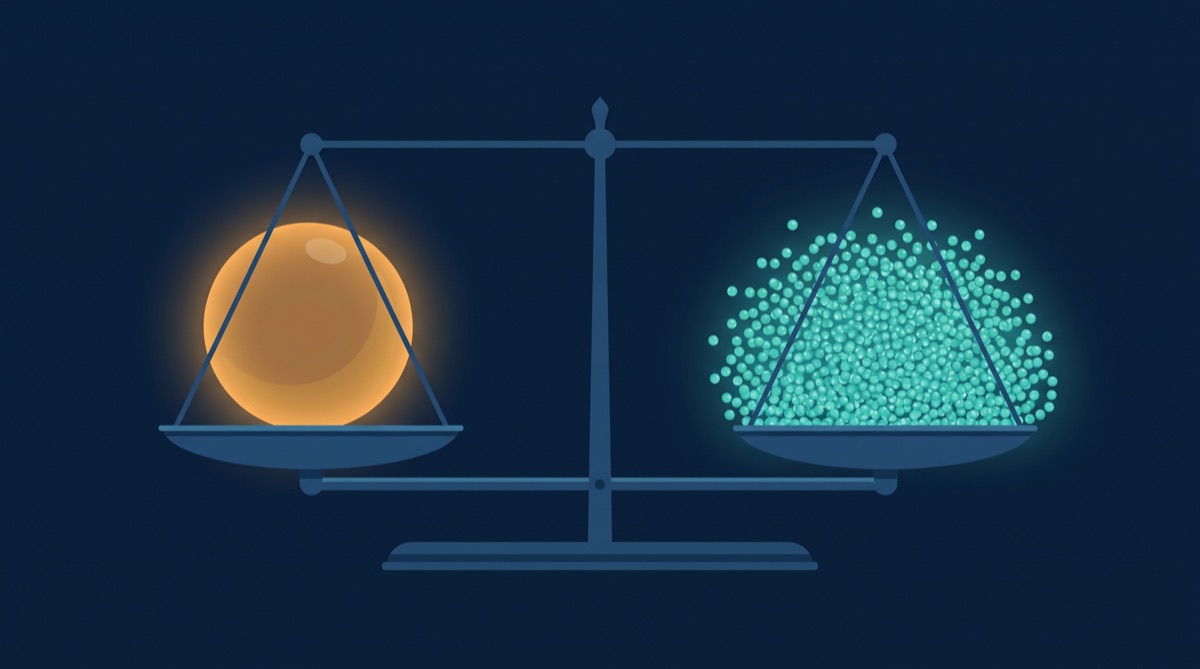
What Is a Mole in Chemistry? Avogadro's Number Explained Simply
A simple guide to the mole: why chemists count atoms in batches of 6.022 x 10^23, how to read molar mass off the periodic table, and worked examples.
Prefer to learn by doing?
Open the bubbles Teacher resourcesPop all 118 elements, play today's Daily Bubble, or print the flashcards and worksheet for class.