Is Tin Foil Really Tin? (And Why Aluminium Was Once Prized Like Silver)
No: kitchen tin foil is aluminium. Tin foil once was tin. Here is how a metal once prized like silver ended up as humble sandwich wrapping.
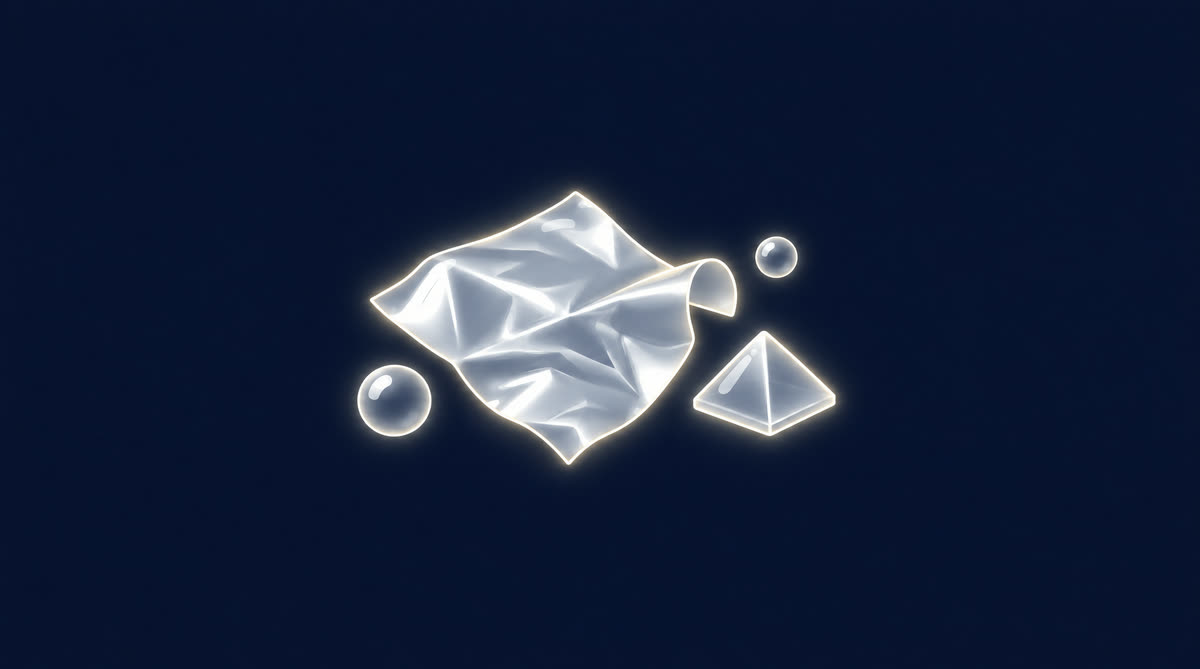
No, not any more. The shiny sheet in your kitchen drawer is almost certainly aluminium, not tin, even though plenty of us still call it tin foil. Foil really was made from tin once, which is how the name stuck, and then a different metal quietly took over the job and kept the old name as a sort of witness protection scheme.
The twist is the good bit. Aluminium is the most common metal in the ground beneath your feet, and yet there was a time when it was treated as a precious metal, fit for royal tableware and monument tops. How did the cheapest wrapper in the house get such a glamorous past?
Is tin foil really tin?
The foil in modern kitchens is aluminium (spelt aluminum in North America: same metal, one fewer letter). Tin foil was a genuine thing: thin sheets of tin were used to wrap food and other goods before aluminium foil became common. The exact dates are fuzzy and varied from place to place, but the general story is that aluminium foil took over during the 20th century, helped along by being lighter, tougher and cheaper to make.
How can you tell which you are holding? Tin is a heavy metal with a density of about 7.4 grams per cubic centimetre, while aluminium comes in at about 2.7. (Density is how much mass is packed into a given volume, so it is basically how heavy something feels for its size.) That means aluminium foil weighs about a third as much as the same size of tin. An old sheet that feels oddly heavy and soft might be the real thing.
So the name is a leftover. Language is like that: we still "dial" phones that have no dial.
What are tin cans made of, then?
Here the name is only half wrong. A traditional "tin can" for beans or soup is made mostly of iron in the form of steel, with a very thin coating of tin on the surface. Steel is iron with a small amount of carbon added to make it stronger. This coated steel is called tinplate.
Why bother with the tin? Bare steel rusts, because iron reacts with oxygen and water to form a flaky orange crust. Tin is far more resistant to attack, so a thin skin of it keeps the steel and the food apart. Tin is also generally regarded as safe in contact with food, which is rather the point of a can.
The can is overwhelmingly steel and the tin is a layer far thinner than a hair, so "tin can" is an affectionate exaggeration, like calling a sandwich "cheese".
And fizzy drinks? Most modern drinks cans are aluminium, not tinplate. If you have a fridge magnet, try it. Steel is magnetic and aluminium is not, so the magnet will cling to a tinplate soup can and slide off a drinks can. It is a handy clue, not a courtroom verdict.
Is aluminium really the most common metal on Earth?
Yes, in the crust at least. The crust is the thin rocky outer shell of the planet, the part we actually live on and dig into. Aluminium makes up roughly 8 per cent of it by mass, which makes it the most abundant metal there and the third most abundant element overall, behind oxygen and silicon. (Sources vary a little, so treat 8 per cent as a round number.)
It is in clay, in many common rocks and in your garden soil. You are, in a sense, standing on a very large amount of unwrapped foil.
Which raises an obvious question. If aluminium is that common, why was it ever expensive?
Why was aluminium once so hard to get?
Because aluminium is clingy. It bonds to oxygen extremely tightly, and in nature you almost never find it as a shiny metal. Instead it hides inside compounds, locked up with oxygen and other elements in rocks and clays. Gold can turn up as metal because it hardly reacts with anything. Aluminium is the opposite: the friend who attaches to everybody and cannot be prised off.
The main ore of aluminium is called bauxite. (An ore is a rock that contains enough of a useful substance to be worth digging up.) Bauxite is rich in aluminium oxide, a compound of aluminium and oxygen. The trouble is getting the oxygen off.
For metals like iron, you can heat the ore with carbon, which grabs the oxygen for itself. Aluminium holds on to its oxygen far too firmly for that to work. In the 19th century chemists could get small amounts of the metal using other very reactive substances, but the processes were fiddly and costly.
Was aluminium really worth more than gold?
For a while it was treated as a precious metal, certainly. In the mid 19th century, aluminium was extremely costly to make, and it was prized for that. You will often hear the claim that it was "more precious than gold". That is a commonly told version of the story, and it makes a cracking dinner party line, but the truth depended on the year and the place, so it is safer to say that aluminium was treated as a precious metal and was very expensive, in some times and places dearer than silver.
What we can say with more confidence is that aluminium was a showpiece metal. Using it said "look how rich I am", in the same way that having a pet peacock once did.
What is the aluminium tip on the Washington Monument?
This one is well documented, and it is a fantastic bit of chemistry history. The Washington Monument in Washington, D.C. is a tall stone obelisk, and in 1884 its builders topped it with a small pyramid of aluminium. It weighed roughly 2.85 kilograms (a little over 6 pounds), which sounds like nothing now, but at the time that much aluminium was a serious statement. It was a showpiece, a way of saying that the monument deserved a rare, gleaming and costly metal.
And it is still up there, well over a century later, which is a decent advertisement for the metal.
How did aluminium become cheap?
In 1886, two people on opposite sides of the Atlantic cracked the problem within months of each other, and they had never compared notes. The American Charles Martin Hall and the Frenchman Paul Heroult each worked out the same method independently. It is now known as the Hall-Heroult process, which sounds like a law firm but is in fact the thing that put aluminium in your kitchen.
The trick is to use electricity. You dissolve aluminium oxide in a molten bath of another substance, which makes it melt far more easily than it would on its own, and then you pass a strong electric current through it. The current drags the oxygen away from the aluminium, and pure liquid metal collects at the bottom. This is called electrolysis, which just means using electricity to split up a compound.
Chemistry could not pull the oxygen off by persuasion, so electricity did it by main strength. The catch is that the process uses a great deal of electricity, which is why aluminium smelters like to sit near plentiful, cheap power.
Once the method was up and running, the price fell dramatically over the following decades. A metal that had once been a luxury became an everyday material.
Why is aluminium so useful?
Three big reasons, and a bonus one.
- It is light. Its density is about 2.7 grams per cubic centimetre, roughly a third of iron's. That is why it turns up in aircraft, bicycles and drinks cans.
- It resists corrosion. Wait, did we not say it loves oxygen? Exactly. A fresh surface of aluminium reacts with the air almost at once and forms a very thin, tough skin of aluminium oxide. That skin sticks firmly to the metal underneath and seals it off from further attack. Iron rust flakes away and lets the damage carry on, while aluminium's oxide skin stays put and protects it. The very thing that made the metal so hard to extract also keeps it in good shape afterwards.
- It is easy to shape. Aluminium can be rolled out into foil thinner than a sheet of paper, pressed into cans and drawn into wire, and mixed with small amounts of other metals to make it stronger. A mixture of metals is called an alloy.
- It can be recycled. Making aluminium from recycled scrap takes far less energy than making it from ore, because you skip the power-hungry electrolysis step. It can be melted down and reused again and again.
What is the difference between tin and aluminium?
They are different elements, so everything about them differs, down to the atoms. Aluminium (Al) has atomic number 13. Tin (Sn) has atomic number 50. The atomic number is the number of protons in each atom, which is the element's identity card, as our guide to reading the periodic table explains.
Sn for tin looks like a typo until you learn it comes from the Latin word stannum, just as Fe and Ag come from Latin names for iron and silver.
They also sit in different places. Aluminium and tin are both in the family the site calls post-transition metals, which is a rather gloomy name for soft, fairly low-melting metals on the right of the transition metals. Tin is a much heavier atom, which is part of why it is a much denser metal. For a head-to-head on a neighbour of tin, see lead and tin, or the site's zinc and tin page.
Tin has its own career too. It is a key ingredient of solder, the metal glue that joins components on circuit boards, because it melts at a modest temperature of about 232 degrees Celsius. And it is the partner of copper in bronze, the alloy that gave its name to the Bronze Age. So tin is not some rejected understudy. It just does different jobs.
Aluminium, tin, silver and iron compared
Here are four metals from the story side by side, with the figures taken from the site's element data. The melting points have been converted from kelvin to degrees Celsius and rounded.
| Metal | Symbol | Atomic number | Density (g/cm3) | Melting point (degrees Celsius) | A main use |
|---|---|---|---|---|---|
| Aluminium | Al | 13 | 2.7 | 660 | Foil, drinks cans, aircraft |
| Tin | Sn | 50 | 7.4 | 232 | Solder, tinplate coating, bronze |
| Silver | Ag | 47 | 10.5 | 962 | Jewellery, cutlery, electronics |
| Iron (the main element in steel) | Fe | 26 | 7.9 | 1538 | Steel for buildings, cars and cans |
Aluminium is by far the lightest of the four, and silver the heaviest. Tin melts at a low temperature, which suits it to solder, while iron needs a furnace hot enough to make a pizza oven look sheepish. Steel is not an element, so the table lists iron, its main ingredient. If you want to line up two of these properly, try the aluminium and titanium comparison, another light, strong and oxide-coated pair.
Frequently asked questions
Why does aluminium foil have a shiny side and a dull side?
It comes from how the foil is rolled out in the factory, where two layers are often rolled together, and the sides touching the polished rollers come out shiny. The difference is a by-product of manufacture, and for everyday cooking the two sides behave in much the same way.
Is aluminium magnetic?
No, not in the way iron is. A fridge magnet will not stick to aluminium foil or a typical aluminium drinks can, which is the quick home test for telling them apart from steel.
Is aluminium a transition metal?
No. It sits in the post-transition metals, just to the right of the main block of transition metals on the table. See the transition metals page for the family next door.
Try it on Periodic Bubbles. Pop aluminium, tin, silver and iron and compare their densities and melting points with the table above. Then open the bubbles and see where aluminium and tin sit relative to each other. For a cousin of aluminium in the same story, look at magnesium too, or read our guide to metals to see what makes a metal a metal.
Fancy testing what you now know about foil, cans and cleverly clingy metals? Take the Pop Quiz, or see which element the Daily Bubble has picked for you today.